Acting & Improv, Teggies

Teggies Improv

Improv Class for Mothers and Babies

Note: Article was published in The Herald (Mid-April 2025, Page 10)

Babies give more than they take. Although parenthood is not for the faint hearted, when was the last time you had so much attention from someone (hopefully your spouse)? I am curious about how we can strengthen our connection to our babies, especially when our shared language is not fully fledged. I also think mothers should support each other more, as motherhood can feel isolating at times. One way we can achieve these goals is through the art of improvisation (improv).
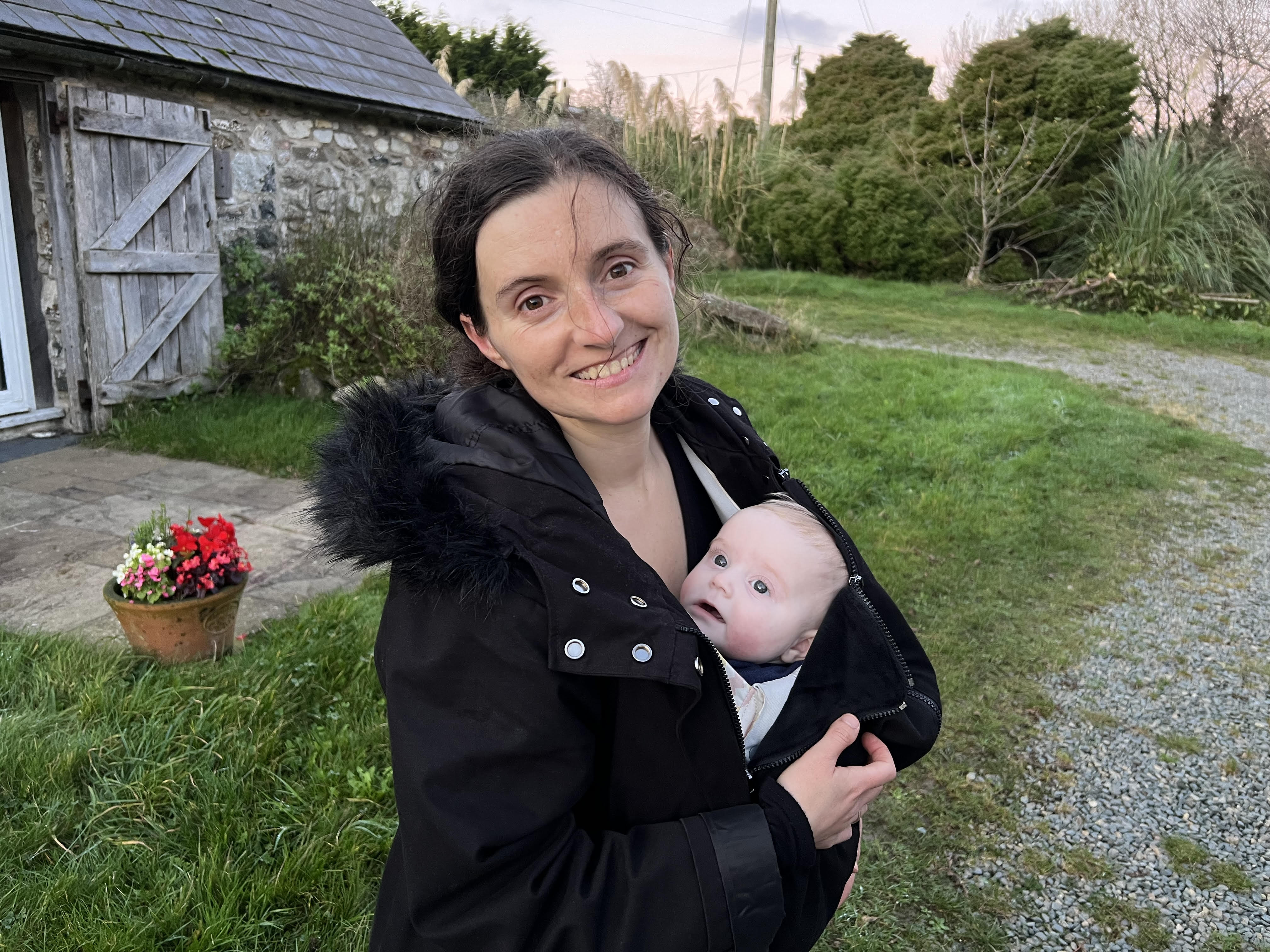
Ana and Dory in Goodwick, Wales

Improv is theatre without a script, where stories and characters are created on the spot. The principles of improv revolve around acceptance and building on top of other people’s ideas (Yes and!), listening and “treating each other like poets and geniuses” (Del Close). I have witnessed how complete strangers become friends by the end of an improv class, due to the nature of getting out of our heads and listening to one another.

What about babies and improv? My main experience is in attending and running adult improv workshops and drop ins. I’ve recently become a mother, however, so my attention has shifted to little people. I noticed how my daughter, Dorothy likes to mirror me, smiles at my nonsense talk and funny voices, responds with her own and explodes with laughter and enthusiasm. Why, these are the very best traits of an improviser! Perhaps they can’t articulate words just yet, but they sure understand more than we give them credit for! So, in the spirit of improv, why not treat them like poets and geniuses, to see what happens? 

The baby development books I am reading desperately, while baby sleeps, talk about the importance of relationships. Being There by Erika Komisar describes at length why a mother’s presence and emotional connection are essential in the first three years of life. Brain Rules for Baby by John Medina concludes that empathy, emotional regulation and clear and simple rules are ingredients for raising a happy, successful adult. The Importance of Being Little by Erika Christakis underlines the power of play and how meaningful relationships shape a child. 

Apart from all the name dropping, science shows that emotional connection is the basis of cognitive learning and the first three years of a child should have a lot of the former! Since improvised theatre is all about human connection, I’d say we should give mummy and baby improv a try! Be warned, it may not work at times, but in the true “yes and” spirit, there are no mistakes, just opportunities! Either way, you’re guaranteed a good laugh! If you’re interested in an improv group for mummies and babies, or even for adults for that matter (work in progress), please contact me and I’ll tell you more. Future classes will run in Ratby, but could extend further if there is demand. Let the babbling begin!

Email: westonanamaria@gmail.com
Standard
Acting & Improv, Research & Coding, Research & Play

World Problems: Ep.1 – Global Warming and the Magic Box Designs

“Scientists have recently determined that it takes approximately 400 repetitions to create a new synapse in the brain – unless it is done with play, in which case, it takes between 10 – 20 repetitions.” (Dr Karin Purvis)

Motivation of World Problems Series

I’m starting Ana’s Research and Play with Episode 1 of the World Problems (WP) series. WP will have longer episodes (~15 mins) that combine ideation, design, prototyping and testing of sometimes crazy inventions. It is intended to experiment with possible solutions to help “save” the world. The approach is a playful one, rather than a worried and tense one. The reasoning is my belief that people achieve their best when fear of failure is out of the way.

The inventions that result from this series might or might not be viable. In this sense, WP presents a humble method to saving the world. My ambition is not to come up with precise inventions that will give accurate results (although they are very welcome). In my experience, having such pressures, under the constraint of limited time, leads to mediocre solutions and headaches. What I am trying to do is follow my curiosity and allowing myself to both innovate and fail (first attempt at learning).     

In the best case scenario, the world will benefit from an invention. Worse case scenario, I will have brainstormed some ideas that fill people with such indignation at my nerve, that they’ll just go and make their own creations. Empathy also motivates me and it is necessary to prevent an attitude of carelessness and lack of responsibility. It is important, however, to use empathy as a driving energy rather than an energy draining one. We should all make a contribution to saving the world we live in, but it mustn’t destroy us in the process – unless it’s a sacrifice of love, but that’s a different story. Let’s begin!  

Episode 1 Summary

In this episode I come up with a few crazy designs to help save the world from global warming, by using random household items. It all starts with choosing the problem out of a list of possible world problems. I then have a warm up (of my mind, not the world) by finding different uses for household items via lateral thinking.

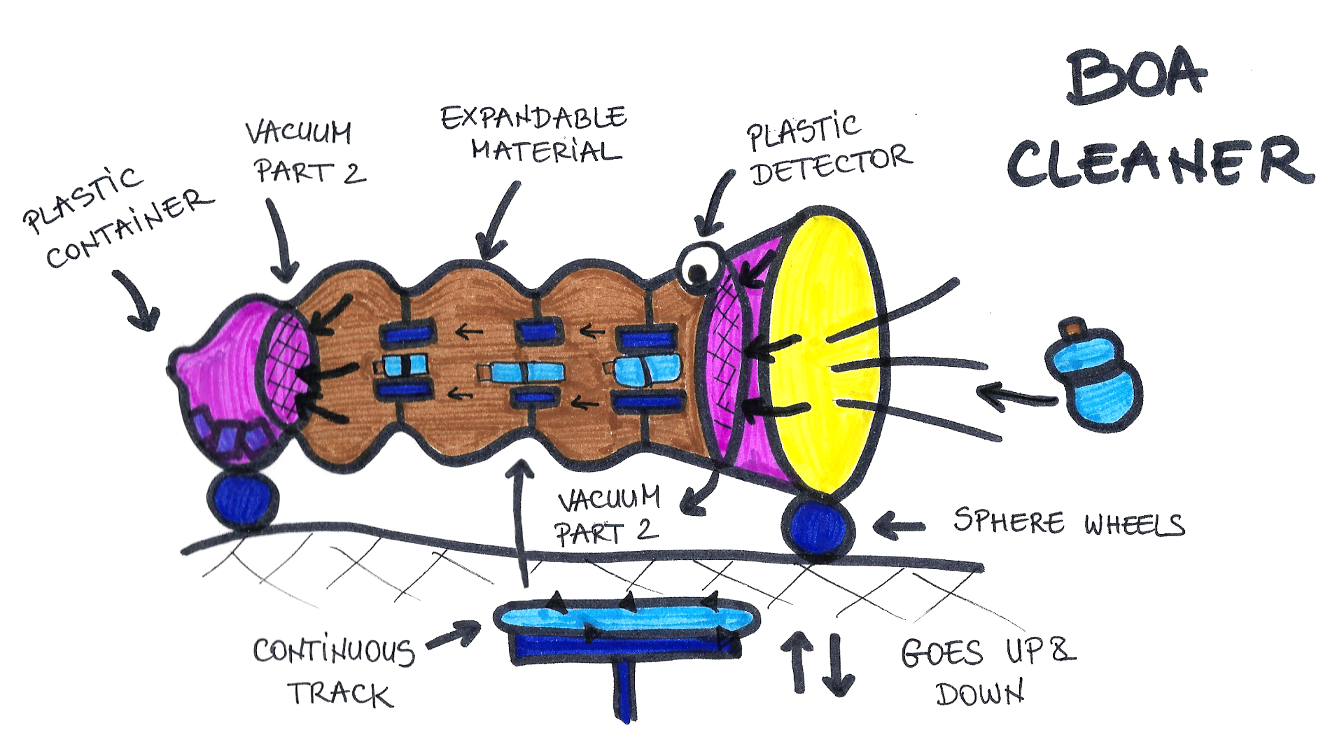
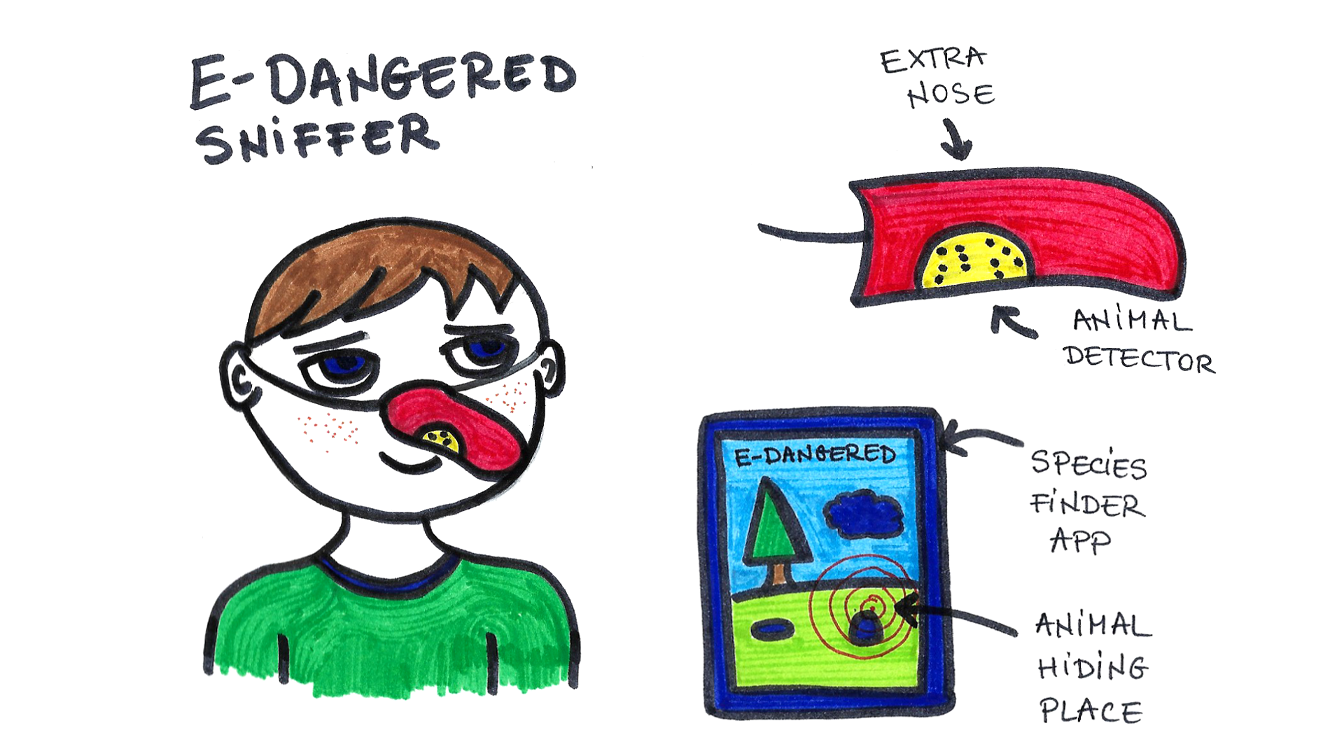
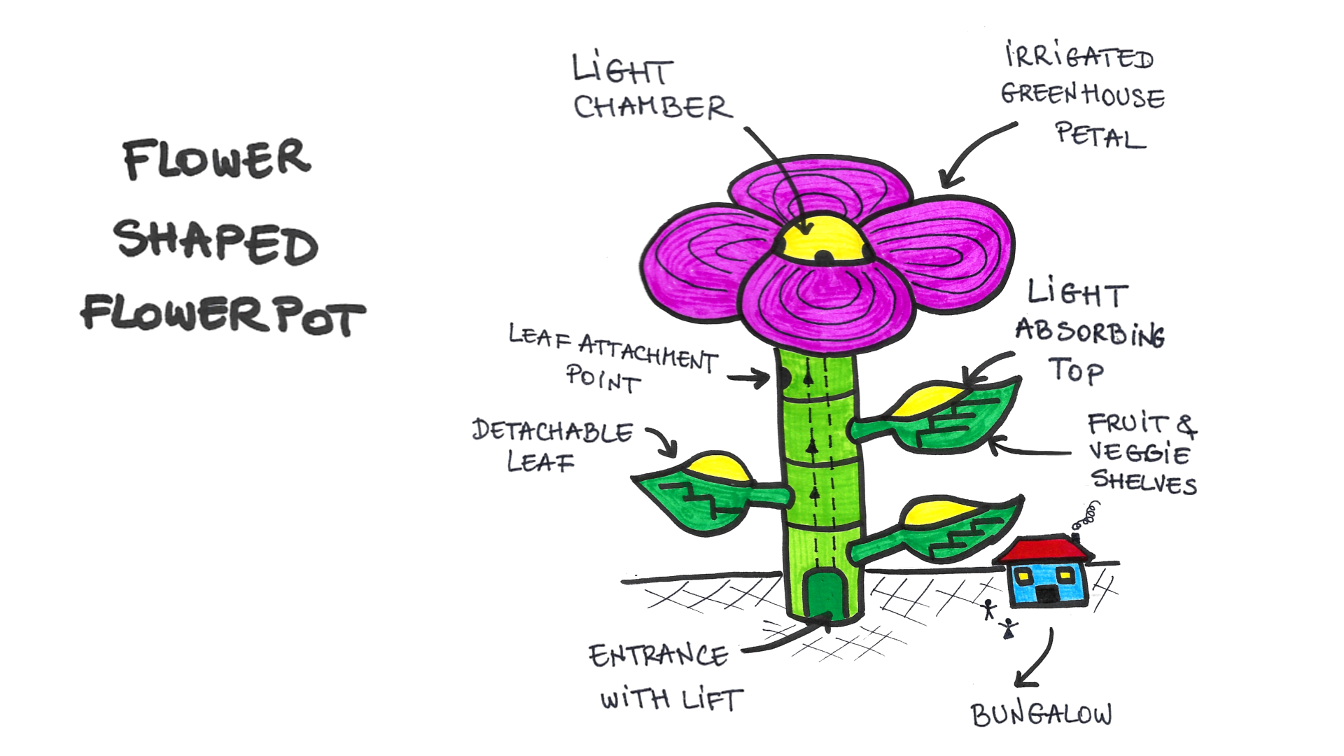
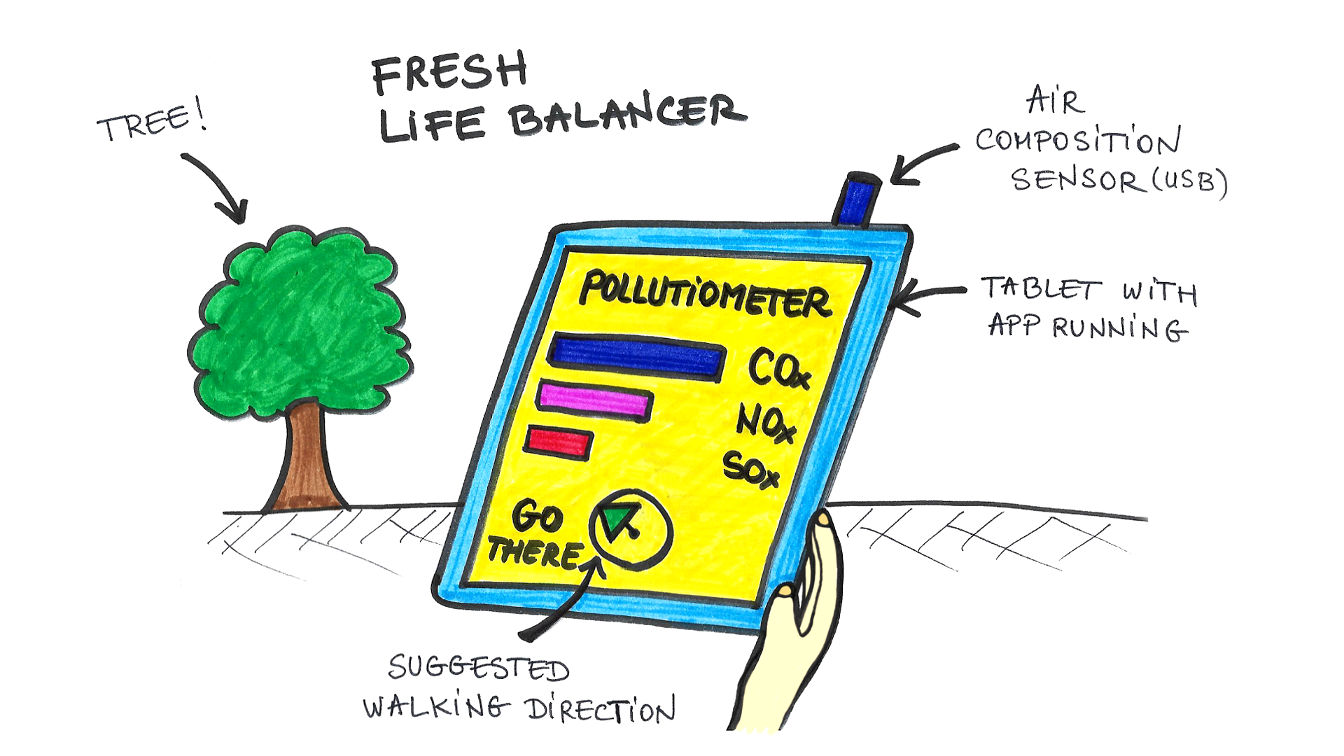
The Magic Box, which is often seen in clowning exercises comes into play. This leads to shotfire brainstorms from Experimental Ana, who gives up grammar for creativity. It all ends with a set of crazy invention designs (see below). One of them or a combination of up to three of them could be prototyped in the future.

The Research

Episode 1 is linked more to brainstorming ideas, but research elements also find their way through. Please see the video description for the references used. Here are some research inspired elements from the video.

  • Choosing the problem
  • Motivation of play based approach
  • Review of a few accidental discoveries
  • Background on Lateral Thinking
  • Ideation of designs
  • Designing possible prototypes

The Play

The structure of Episode 1 is linked to an improv game called Fix it MacGyver! In this game, a character called MacGyver is given a problem and three random items. He or she has to come up with a solution to fix the problem by utilizing the given items.

For example, let’s say someone’s house is on fire. MacGyver has a cat, a sandwich and a chainsaw. One solution is of course to use the cat as a scout to check if there are any survivors. The chainsaw can be used to cut through the fallen parts of the house, so that the trapped victims can be reached. Once they are out, a sandwich is provided for nutrition, while waiting for the firemen.

The idea of the game is not to “get it right”, since there are “no mistakes, just opportunities in improv” (Tina Fey). Letting your thoughts imagine the wildest solutions is very liberating because it cuts out inner criticism. What improvisers experience with this game is also linked to Julia Cameron’s theory, described in her book The Artist’s Way. She recommends evading the inner critic by free writing three pages of whatever comes to mind every morning.

My Experimental Ana from the video uses this technique of free and spontaneous thought. Censoring of ideas is kept to a minimum, giving priority to the joy of discovering where my own thoughts take me. In the paraphrased words of Keith Johnstone, one of the pillars of improv, “You must trust that your mind, God or the giant moose will tell you what to say.”

The elements of play in Episode 1 are the following:

  • Defining the game guidelines (box of objects + find different uses for them)
  • Magic box game linked to clowning exercise
  • Lateral thinking solutions to a problem breaks patterns of thinking
  • Experimental Ana uses free and spontaneous thought
  • Experimental Ana uses jump and justify improv technique (say the word first and then justify its meaning)
  • Creating designs with commitment

Designs

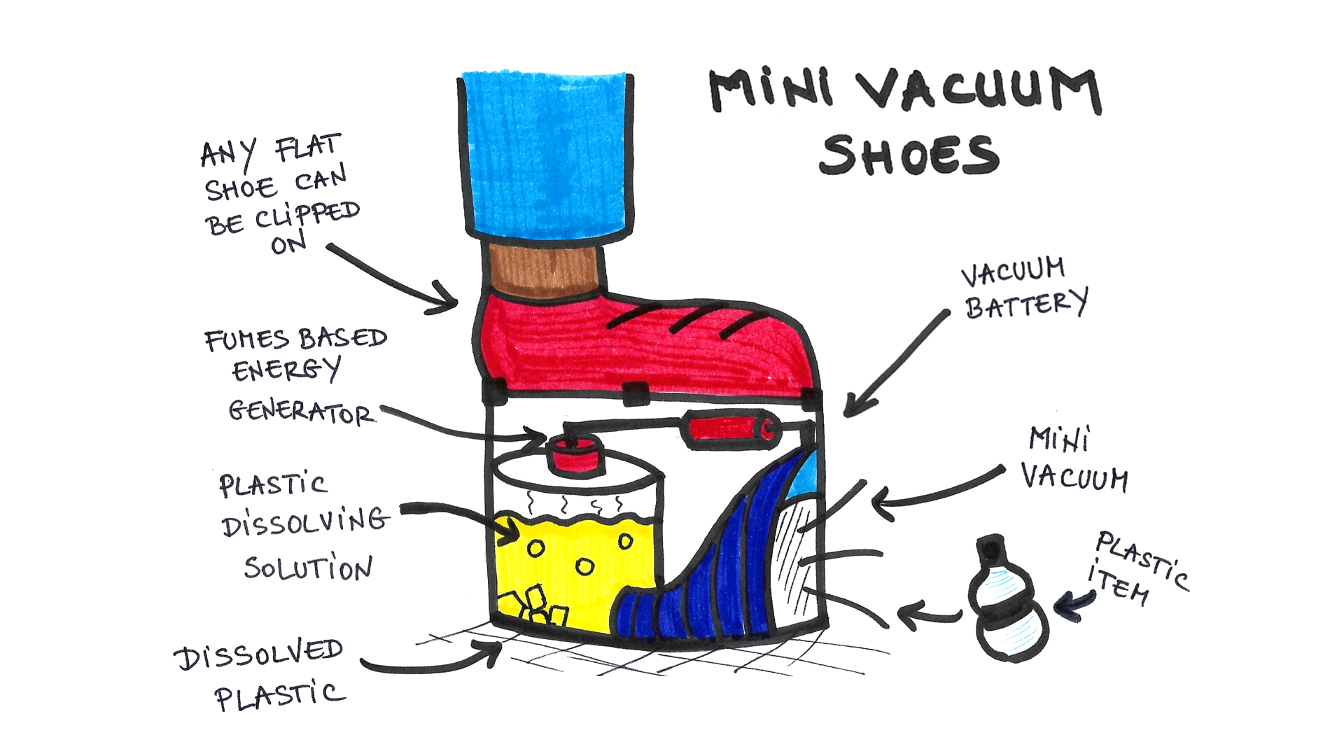
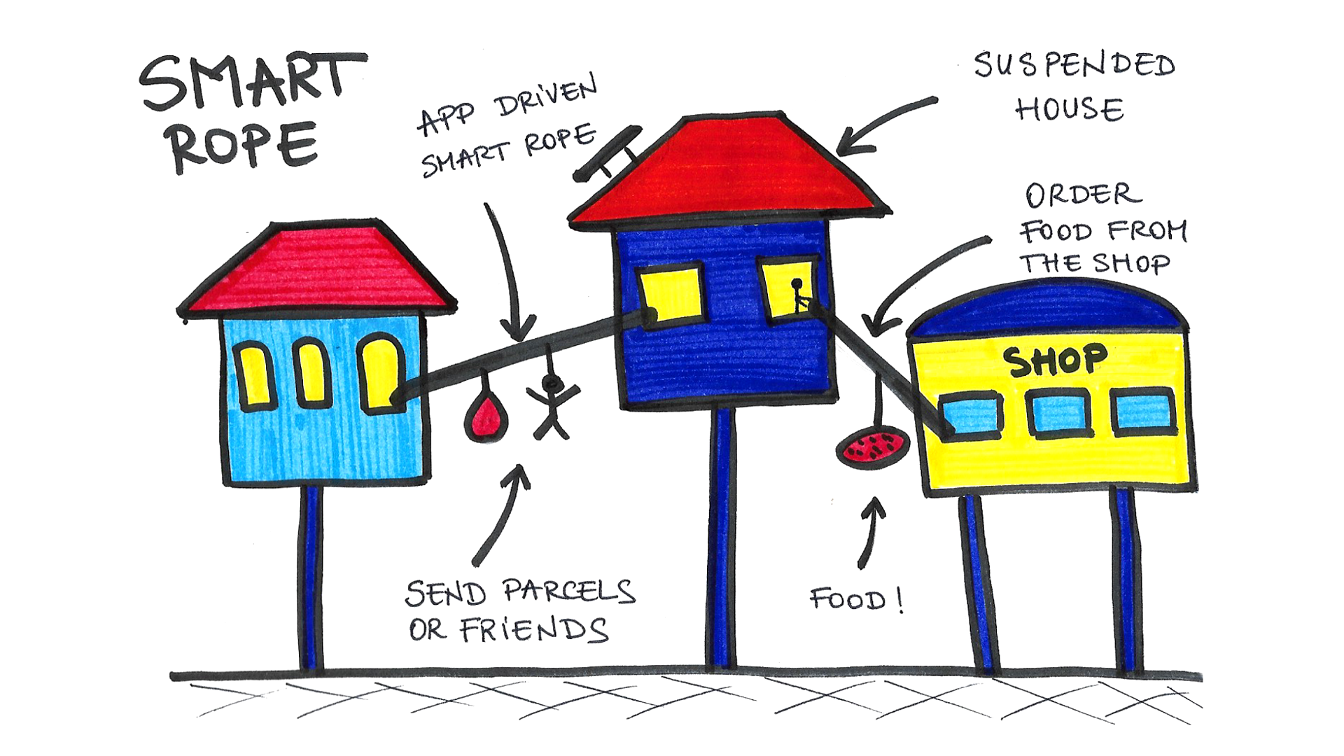
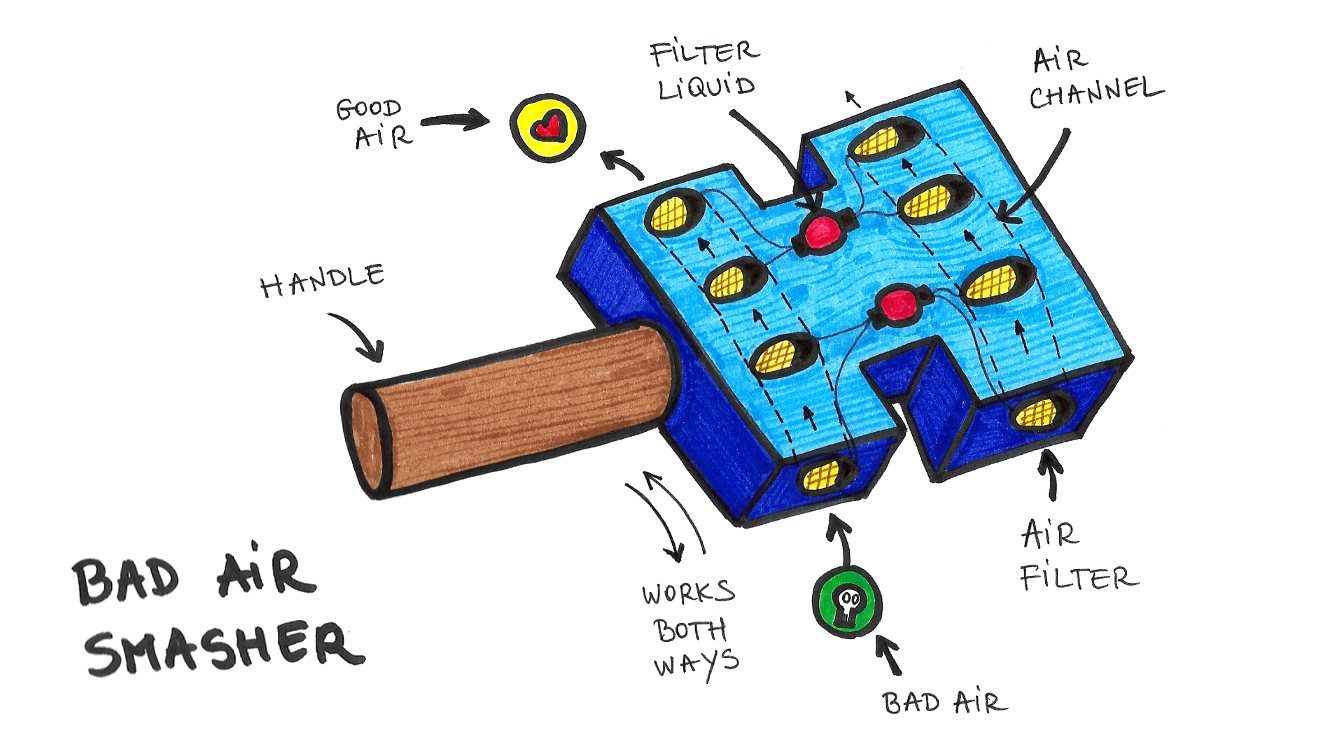
After the research and play collaboration, seven designs emerged. These are not necessarily viable designs, but they open up a world of possibilities! Please have a look and tell me which of these designs you would like prototyped in the future!

BadAirSmasherBoaCleanerEDangeredSnifferFlowerShapedFlowerpotFreshLifeBalancerMinivacuumShoesSmartRope

Standard
Acting & Improv, Character Essences

The Logic of Movement

A year ago I went to a workshop called The Logic of Movement with Stephen Mottram, an amazingly gifted puppeteer. He showed us how each character has a unique movement code that defines its personality. ‘A piece of cloth can move like a chicken’, he said and also showed us, as we gaped in amazement. Now, as I’m writing about handmade characters in my thesis, I came across some of his work from 1990, Animata.

I’m sharing one of the videos here. I find it fascinating that a simple set of ping pong balls can create such complex characters in our minds. This is DEFINITELY an area of great interest to me, as a future independent researcher.

Standard